

Lyon Industries venture
World Patches.
From a repeatable image workflow to an on-demand store.
A research project into generating consistent assets became a catalogue of travel patches, with a website, payments and manufacturing connected to each design.






- Catalogue
- 59 designs
- Collections
- 6 categories
- Production
- Made to order
Could we repeat the result?
The starting question was how to generate useful assets repeatedly. One attractive image was easy to demonstrate. A catalogue needed a consistent shape, legible text, usable manufacturing files and a reliable connection between the image and its product record.
Travel patches gave the research a concrete test. Cities, countries, landmarks and landscapes could change while the format stayed fixed. A location brief supplied the scene, label, subtext and border colour; a guide image defined the printable area.
The resulting catalogue covers 59 destinations, from Machu Picchu and Tokyo to Lofoten and the Matterhorn. The research record explains the guide, prompt revisions and observed generation failures.
One design. Three connected outputs.
The generator combines Google Gemini image generation with image processing and structured product data. Each accepted design becomes three linked assets.
- A manufacturing file
- A 984 × 984 px image, saved with 300 dpi metadata, with artwork extending into the supplier’s bleed area.
- A store preview
- A circular, transparent image with a border overlay, ready for the catalogue, map and product page.
- A product record
- A stable identifier connects the name, category, coordinates, description, price and image paths.
People still review the artwork and inspect physical samples. The pipeline makes catalogue expansion repeatable; it does not make visual acceptance automatic.
A catalogue without a stockroom.
The commercial step was to connect those digital assets to print-on-demand manufacturing. A new destination could join the store without buying a batch of finished patches first. Production and shipping happen against an order.
The Next.js storefront adds searchable collections, individual product pages, curated sets and a globe for browsing by place. Stripe handles payment; the supplier integration receives the selected artwork and delivery details.
This shifts the cost problem. A broad catalogue needs little upfront finished inventory, but every sale still has manufacturing, shipping, payment and customer-acquisition costs. Sets and shipping choices matter as much as adding more designs.
- 01
Choose a place.
Browse a collection, a destination page or the globe. Add individual patches or a set to the cart.
- 02
Quote delivery.
Fetch available shipping methods for the destination. Checkout validates the selected quote on the server.
- 03
Take payment.
Stripe Checkout records the patch identifiers, quantities and selected shipping method with the purchase.
- 04
Make to order.
A verified payment event submits the corresponding manufacturing files and recipient details to the supplier.
Implemented store workflow. Design review, physical quality and order exceptions still require operator attention.
The full catalogue.
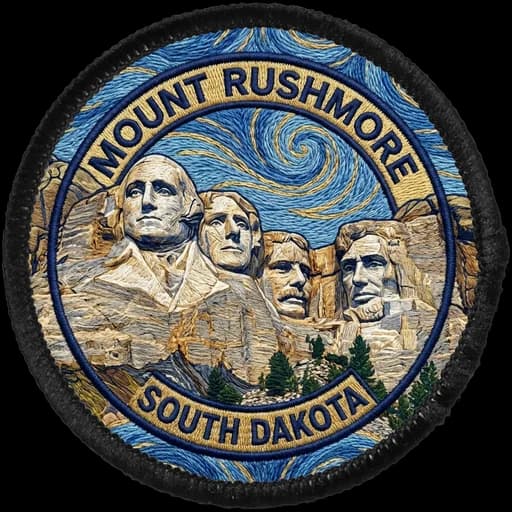
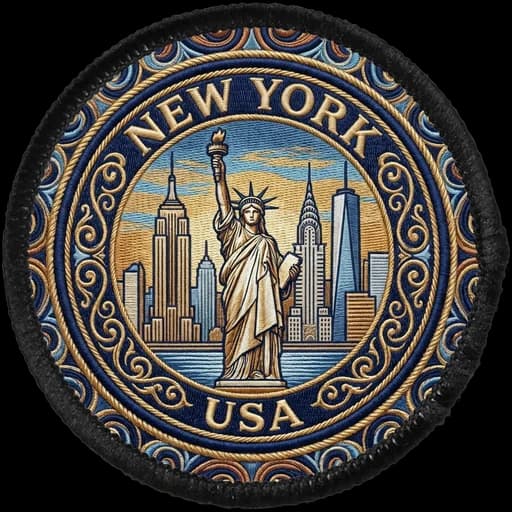
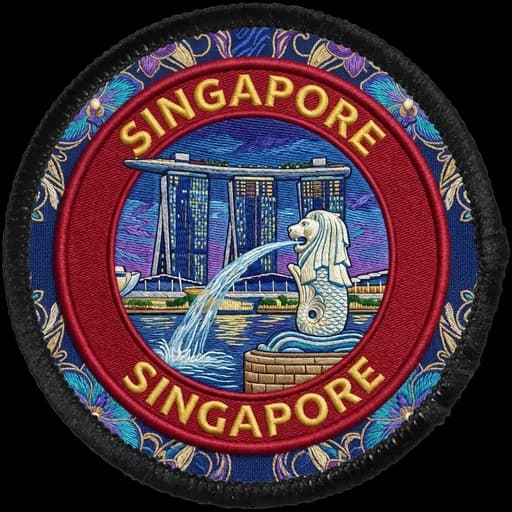
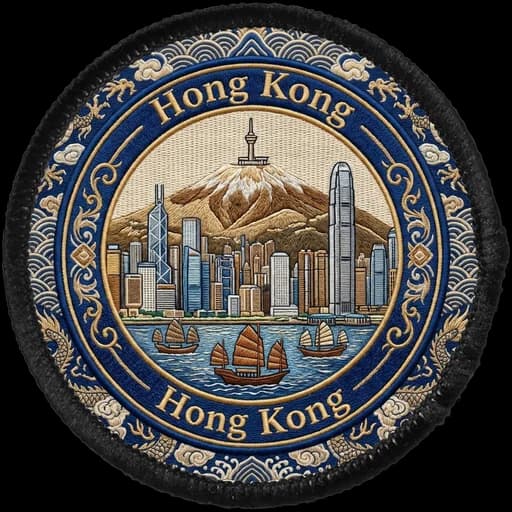
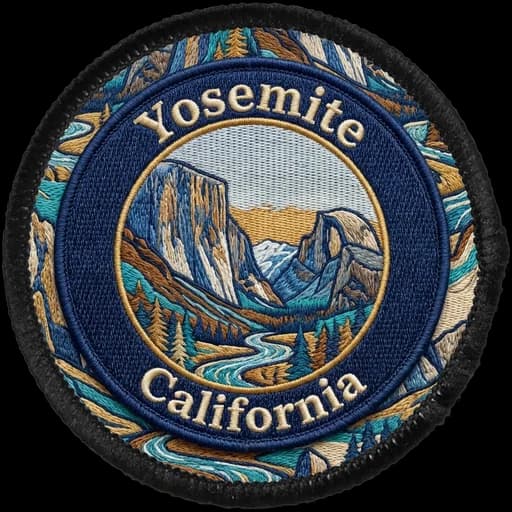
All 59 designs from the research-to-store pipeline. Each card opens its product page on World Patches.
Catalogue artwork, not product photographs. The finished product is printed on polyester, with no raised embroidery.
Iconic World Landmarks16














Top Global Cities13








Outdoor Adventures6





Natural Wonders7






National Parks7





Top Ski Resorts10










What carried over.
The reusable result is the connection from a structured brief to an image, a product record and an orderable physical item. World Patches made that connection commercially usable across a catalogue.
Generating more designs is only one part of scaling it. Material accuracy, quality review, fulfilment exception handling and profitable demand remain operating work. The research continues to inform those decisions.